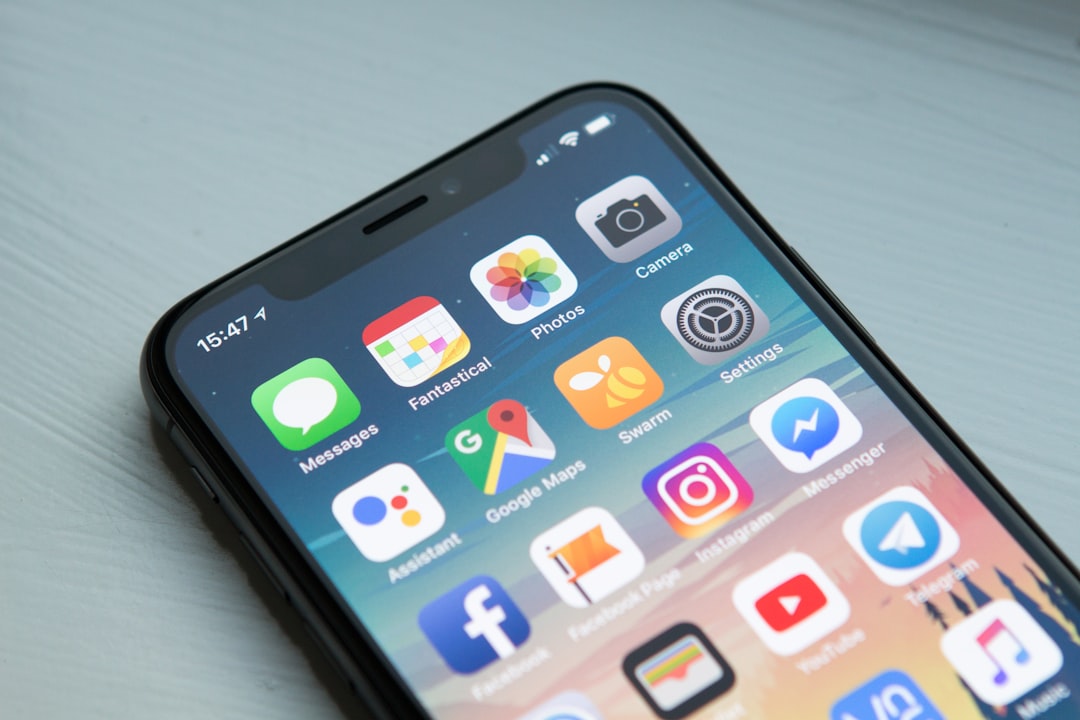
Is the Pixel 9 Pro Worth It at $620 Off? A Value Breakdown for Savvy Shoppers
Pixel 9 Pro at $620 off: a deep value breakdown vs iPhone, Galaxy, and OnePlus on resale, updates, and ownership cost.
Is the Pixel 9 Pro Worth It at $620 Off? The Short Answer
If you’re shopping for a premium phone and you’ve spotted the Pixel 9 Pro discounted by $620, this is the kind of deal that deserves a serious look. In the world of best smartphone deals, a deep discount can completely change the math, especially when the device is still current-generation, still receiving major software support, and still competitive on camera quality, AI features, and day-to-day speed. The real question is not whether the Pixel 9 Pro is good on paper. It’s whether the sale price makes it a better long-term buy than similarly priced iPhone, Galaxy, and OnePlus alternatives.
That’s where this guide comes in. We’ll break down the Pixel 9 Pro as a discounted phone value proposition, compare it against same-price options, and examine total ownership cost, resale value, software updates, accessories, and upgrade-cycle economics. If you care about getting the most phone for your money, this is a classic buying advice decision: don’t just look at the sticker price, look at the full cost over two to four years.
For shoppers who want to stay ahead of fleeting offers, it also helps to understand how quickly good promotions disappear. We’ve seen that pattern in other fast-moving categories like last-minute event and conference deals and even on accessories bundles, where timing matters almost as much as product quality. A big phone discount can be equally temporary, so the value case should be evaluated now, not later.
What You’re Really Buying With the Pixel 9 Pro
Premium hardware at a mid-premium effective price
The Pixel 9 Pro’s value story starts with the hardware itself. At full price, it competes with the best flagships, but at $620 off, it moves into a different category: the “upper-midrange price, flagship experience” zone. That matters because the phone’s strengths—excellent still photography, clean software, smart AI features, and a polished display—are features people actually use every day, not gimmicks that fade after a week. The right discount can make a phone feel like a bargain even if it wasn’t the cheapest at launch.
This is the same logic bargain shoppers use in other markets. For example, a product can be an expensive fit at full price but an obvious win when the market shifts, similar to how a sale can alter the equation in home security deals or preapproved ADU plans where timing and discounting affect payback. The Pixel 9 Pro’s “real” price is the amount you pay after the sale, and that should be the basis of comparison.
Google’s software edge is part of the product
On Pixel devices, software is not an afterthought; it is part of the premium you’re buying. The Pixel 9 Pro benefits from Google’s clean interface, Pixel-exclusive features, and a software experience that tends to stay coherent over time. For many buyers, that consistency is worth more than raw benchmark numbers because it reduces friction every day. If you prefer a phone that feels smart without needing much setup, Pixel remains one of the strongest options in the market.
That “less fuss, more function” value is similar to how consumers think about simplifying online returns or choosing tools that reduce the time spent managing complexity. A device that saves you time every week can justify a higher purchase price than a phone that only looks cheaper on the receipt.
Who should care most about this deal?
This deal is especially attractive for buyers who value camera performance, rapid software support, and a clean Android experience more than stylus features, gaming brute force, or deep ecosystem lock-in. If you’re upgrading from an older Pixel, an aging iPhone, or a midrange Android that has become sluggish, the jump will feel meaningful. If you are a spec-first buyer who wants the most RAM, the fastest chip, or the highest charging speed, other options may fit better.
That’s why shopping smart means matching the product to the use case, not the headline spec sheet. It’s the same discipline you’d use when evaluating AI camera features: ask whether the feature saves time or just sounds impressive. The Pixel 9 Pro’s appeal is that its strengths are practical, not theoretical.
Pixel 9 Pro vs. Same-Price Alternatives: The Real Comparison
How it stacks up against an iPhone in the same budget
If the Pixel 9 Pro is discounted to roughly the price of a mainstream iPhone model, your comparison should focus less on brand loyalty and more on ownership value. iPhones typically win on resale value, accessory availability, and ecosystem integration. Pixels often win on discount depth, Android flexibility, AI-assisted tools, and camera processing that can be especially appealing for everyday photos. In other words, the iPhone may preserve more value later, but the Pixel may cost less to own right now.
That tradeoff matters because total cost of ownership is not just price minus resale. It includes cases, chargers, screen protection, and even the odds that you’ll keep the phone long enough for support to matter. If you want a broader view of platform tradeoffs, it can help to read about adjacent ecosystem behavior in pieces like iOS ecosystem evolution and Android security trends, because update policies are one of the biggest hidden value levers in phone buying.
How it stacks up against Galaxy rivals
Samsung’s Galaxy lineup usually offers stronger hardware variety, deeper customization, and more display and productivity options. If you like multitasking, desktop-style workflows, or a feature-rich settings menu, a Galaxy phone can feel more flexible. The Pixel 9 Pro, however, often wins on point-and-shoot photography simplicity and cleaner software, especially for people who don’t want to spend time tuning the phone. That can translate into actual value, because convenience is a real asset.
It is also worth remembering that Samsung bundles and promotions can sometimes look better than they are once you account for trade-in games, storage tiers, and accessory add-ons. Smart shoppers who want a broader context for deal timing may find value in strategies like those used in bundled tech promotions and travel-tech savings, where the real discount depends on what you actually use, not what is advertised.
How it stacks up against OnePlus in value per dollar
OnePlus phones often compete hard on speed, charging, and raw spec-per-dollar value. If your priority is fast charging and strong hardware performance for the least money, OnePlus can be a smart purchase. The Pixel 9 Pro counterargument is software polish, update assurance, and the camera experience, especially for users who care about low-light shots, portraits, and effortless results. For many people, the Pixel feels less like a gadget and more like a reliable daily tool.
That kind of “frictionless utility” is worth money. In practical terms, if OnePlus saves you $50 to $100 but costs you more time fiddling with software, camera modes, or accessory compatibility, the cheaper phone may not actually be the better deal. The same principle shows up in categories like return simplification and AI-enabled tools: value isn’t just what you pay, it’s what you avoid wasting.
Total Cost of Ownership: Where the Pixel 9 Pro Can Surprise You
Software support lowers replacement pressure
A major hidden benefit of buying a flagship phone on discount is stretching its useful life without sacrificing modern features. If the Pixel 9 Pro continues to receive strong software support, that can delay your next upgrade and reduce your annualized cost. A phone that lasts four years instead of three can be a much better value even if the first-year price is slightly higher. For savvy shoppers, “how long will this feel current?” is more important than “how much did I pay today?”
This is why the Pixel 9 Pro can be especially appealing in a deal context. A deep discount makes the ownership curve flatter, and that improves the economics of holding the device longer. Think of it like securing a strong deal in categories where timing matters, such as limited-time tickets or subscription price hikes, where acting decisively can lock in better long-term value.
Accessory costs can narrow or widen the deal
Accessories are where many buyers accidentally overspend. If you move from a different phone ecosystem, you may need a new case, a charger, a wireless charger, a car mount, and maybe a compatible power brick if the retail box is light on extras. These add-ons can easily change the economics of a phone purchase by $50 to $150. That’s why a “cheap” phone with expensive accessory requirements can wind up costing more than the discounted Pixel 9 Pro.
It helps to think of accessories the way shoppers think about bundled purchases in fashion or home categories: not every add-on is value. A practical approach is to identify what you already own, what must be replaced, and what can wait. For a similar mindset on smart add-ons and bundles, see accessories bundling strategies and budget-conscious shopping tactics.
Repairs and protection should be part of the math
Even a well-made phone can benefit from insurance, a screen protector, and a durable case. The real question is whether the phone’s repair profile and replacement strategy make sense at the sale price. If you already tend to use protective gear, the discounted Pixel 9 Pro becomes more attractive because the total ownership envelope remains manageable. If you plan to go naked with the phone, be honest about the risk and include likely repair costs in your decision.
That same practical approach appears in other consumer decisions where damage risk matters, such as choosing between tech with different durability profiles or comparing products that affect your daily routine. For a broader example of how people evaluate long-term usage and storage, look at lifecycle planning guides and appliance tradeoff guides. The lesson is simple: total cost includes the “what if something goes wrong?” scenario.
Pixel 9 Pro Value Comparison Table
Below is a practical comparison of how a discounted Pixel 9 Pro typically measures up against same-price competitors. Prices vary by storage, promotions, and trade-in offers, but the value logic stays the same. Use this as a buying framework rather than a fixed quote.
| Phone | Best For | Strengths | Value Risks | Long-Term Ownership Outlook |
|---|---|---|---|---|
| Pixel 9 Pro | Camera lovers, clean Android fans, deal shoppers | Great photos, smart software, deep discount potential | Accessory ecosystem smaller than iPhone, Tensor not class-leading on raw speed | Strong if you keep it 3–4 years and prioritize usability |
| iPhone (same price tier) | Resale-focused buyers, ecosystem users | Excellent resale, broad accessories, long support | Less flexible, discounts often smaller, ecosystem lock-in | Often best resale value but higher entry cost |
| Galaxy S-series (same price tier) | Power users, multitaskers | Feature-rich, display excellence, strong hardware | Can be overfeatured for casual buyers, trade-in complexity | Good value if you use advanced features heavily |
| OnePlus flagship (same price tier) | Spec shoppers, fast-charging fans | Quick performance, charging speed, aggressive pricing | Camera consistency and resale often weaker than Apple/Samsung | Strong short-term value, mixed resale |
| Older flagship on clearance | Absolute bargain hunters | Lowest cash outlay, good specs | Shorter remaining support window, battery wear risk | Best only if the discount is extreme and support remains adequate |
Resale Value: The Hidden Advantage of Some Phones
Why iPhone typically leads on resale
Resale value is one area where Apple usually holds a clear advantage. iPhones often retain a larger percentage of their original price because demand stays high, software support remains strong, and the used market is broad. If you upgrade frequently and resell after one or two years, this can matter a lot. In resale terms, a more expensive phone can sometimes be cheaper to own than a cheaper phone that loses value quickly.
However, that doesn’t automatically make the iPhone the better buy. If the Pixel 9 Pro is discounted aggressively enough, the upfront savings can offset weaker resale. That’s why the right analysis is percentage-based, not just brand-based. If you want a broader lens on valuation and market timing, guides like value concentration and market behavior help illustrate how demand shapes pricing in unexpected ways.
Pixel resale is better when the purchase price is low
Pixels generally do not match iPhone resale performance, but a lower entry price improves the story. If you buy the Pixel 9 Pro at a steep discount, you reduce the dollar amount exposed to depreciation. That means even if resale is modest, your net loss can still be competitive. This matters most for buyers who keep phones in excellent condition, keep boxes and accessories, and sell at the first sign of a new model cycle.
Deal-savvy shoppers should also watch the timing of competing promotions. When you evaluate discounts, it’s useful to compare the Pixel against other offers in the same window, much like comparing adjacent opportunities in carrier credits or return-friendly shopping flows. The sale price you lock in today can determine the resale math three years from now.
How to improve resale no matter which phone you buy
To maximize resale value, avoid battery abuse, use a case, keep the original packaging, and avoid cosmetic damage. Phones with clean condition and healthy battery life move faster on the secondary market. If you know you’ll resell, keep your receipt and be cautious with carrier locks, because those details can reduce buyer interest. For many shoppers, the extra effort pays off.
This is a practical lesson in long-term ownership, and it aligns with how people approach other resale-sensitive purchases. The same way you’d protect a premium item before storing it or preparing it for the next user, you should protect a phone from day one. That kind of thinking is useful across consumer tech and beyond, including strategies discussed in security tech purchasing and travel gear deals.
Accessories, Charging, and Ecosystem Costs
The hidden cost of switching ecosystems
Switching from iPhone or Galaxy to Pixel can create small but real expenses. You may need to replace MagSafe-compatible accessories, change charging habits, or buy new mounts and cases. If you already own wireless chargers and standard USB-C accessories, the transition is easier. If you are deep in a different ecosystem, the switch may be less seamless than the headline price suggests.
For buyers who care about ecosystem continuity, the best choice is the one that minimizes unnecessary repurchases. Think of it like planning a room: fit matters as much as price. That logic is familiar in categories like space-fit buying guides and shipping-service comparisons, where the cheapest option isn’t always the most efficient.
Charging speed and battery behavior affect daily satisfaction
Some buyers place huge value on fast charging because it changes how the phone fits into a real day. If you frequently top up in the car, at a desk, or during short breaks, charging speed becomes part of the phone’s convenience score. The Pixel 9 Pro is plenty usable here, but there are rivals that emphasize faster top-ups. If that feature matters to you, it may be worth trading a little camera quality or software polish for quicker charging.
That said, a phone with balanced battery life and good optimization can still outperform a faster-charging competitor in total user satisfaction. The best device is the one that reduces friction, not just the one with the flashiest spec. This is the same type of decision-making found in performance-focused comparisons like car-use phone guides and commuter optimization advice.
Case study: the two-year owner versus the four-year owner
Consider two shoppers. Buyer A upgrades every two years and cares deeply about resale value, accessory ecosystem, and brand prestige. Buyer B keeps phones for four years and wants the best daily experience at the lowest annual cost. Buyer A may still prefer an iPhone if resale is the priority. Buyer B is often a strong Pixel candidate, especially at $620 off, because the initial discount compresses the cost of ownership over a longer window.
This is where buying style matters more than specs. A deep discount on a premium phone can be a fantastic deal for the patient user and a merely decent deal for the serial upgrader. The right answer depends on your timeline, not just the deal banner.
When the Pixel 9 Pro Is the Best Buy, and When It Isn’t
Buy it if you value camera quality and clean software
If your priority list starts with camera consistency, smart everyday software, and a premium Android experience, the discounted Pixel 9 Pro is highly compelling. It is especially attractive to buyers who want a phone that feels modern, simple, and capable without extra tinkering. At $620 off, it can become one of the strongest device value buys in the premium segment, even before you factor in long-term support.
It’s also the better choice if you’re the kind of shopper who values immediate confidence over endless spec comparisons. In deal hunting, confidence has value. A verified, substantial discount on a product you already know you want is better than waiting for a hypothetical deeper sale that may never arrive.
Skip it if you need maximum resale or extreme performance
If you upgrade often and want the strongest resale, the iPhone may still be the safer financial play. If you want the most powerful chip, the most advanced multitasking features, or the widest range of productivity tools, a Galaxy may fit better. If your top priorities are charging speed and raw hardware-for-money, OnePlus deserves a look. The Pixel 9 Pro is not the universal winner; it is the best balance for a specific type of shopper.
That nuance is exactly what good phone comparisons should deliver. A smart bargain is not just the cheapest option. It is the option with the highest practical value for your use case.
Check the deal details before you commit
Before buying, verify storage size, carrier lock status, return window, and whether the discount applies to the exact color or configuration you want. A huge price cut can be less attractive if the listing includes restrictions, missing warranty coverage, or hidden trade-in conditions. If you’re buying from a marketplace or short-lived promotion, read the fine print carefully and compare the final cart total, not just the headline price.
That habit is just as important in tech as it is in other value-driven categories like promo code use or budget shopping. The best deal is the one that survives checkout.
Practical Buying Advice for Savvy Shoppers
Use a simple decision formula
Here’s a quick framework: if the discounted Pixel 9 Pro costs materially less than an equivalent iPhone or Galaxy, and you plan to keep the phone for at least three years, the Pixel is likely the strongest value. If resale dominates your thinking, favor iPhone. If productivity and customization dominate, favor Galaxy. If charging speed and aggressive hardware pricing matter most, consider OnePlus.
This formula keeps emotion out of the purchase and focuses on use pattern, ownership window, and cost recovery. It also prevents the common mistake of treating “best deal” as the same thing as “best phone.” Those are related, but not identical, and smart shoppers know the difference.
Pro tip: The best smartphone deal is often the one that cuts your annual cost, not the one that saves the most today. A $620 discount can beat a smaller monthly trade-in offer if you keep the phone long enough.
Compare the full cart, not the headline price
When evaluating a phone offer, calculate the real cost after storage upgrades, chargers, cases, and protection. If the Pixel 9 Pro’s sale includes your preferred storage tier and you already have USB-C accessories, the value improves further. If you need to buy everything from scratch, the savings still may be excellent, but you need to know the true out-of-pocket number. The more transparent the budget, the smarter the decision.
For deal hunters, this is the same discipline used in categories from time-sensitive tickets to return-friendly commerce. Total basket cost beats sticker shock every time.
Act quickly, but verify carefully
Discounts at this level often don’t last long, especially on premium devices. If the Pixel 9 Pro sale is truly $620 off, it may be one of those rare moments where the value is obvious enough to move fast. Still, speed should not replace caution. Double-check the seller, warranty terms, and compatibility before hitting buy.
The sweet spot for bargain shoppers is decisive, informed action. That’s how you capture short-lived wins without taking unnecessary risk. And in the premium phone market, that balance matters more than ever.
Conclusion: Is the Pixel 9 Pro Worth It at $620 Off?
Yes—if you want a premium Android phone with excellent cameras, strong software support, and a deal that meaningfully lowers the cost of ownership, the Pixel 9 Pro at $620 off is a legitimately strong buy. It becomes especially compelling when you compare it not to launch price, but to same-price rivals across the full ownership picture: resale, accessories, support, and daily usability. For many shoppers, that makes it one of the best best smartphone deals of the season.
Still, the “best” choice depends on what you value most. If resale is king, the iPhone remains tough to beat. If advanced features and customization matter most, Galaxy has the edge. If speed-per-dollar and charging are your top priorities, OnePlus is worth a look. But if you want the best mix of camera quality, software simplicity, and discount-driven value, the Pixel 9 Pro at this price is a very smart purchase.
For more deal-focused context, you may also want to browse our other comparisons on device alternatives, phone fit by lifestyle, and travel-tech value buying. The best shoppers don’t just find discounts—they understand why a discount matters.
Related Reading
- Best Early 2026 Home Security Deals: Cameras, Doorbells, and Smart Locks Worth Buying Now - See how to judge true savings when a sale is too good to ignore.
- Best Budget Flip Phones in 2026: How the Motorola Razr Ultra Sale Changes the Value Equation - A useful model for comparing discounted phones against their rivals.
- Counteracting Data Breaches: Emerging Trends in Android's Intrusion Logging - Helpful background on Android-side trust and security considerations.
- AI and Returns: Navigating Friction and Simplifying the Process for Online Shoppers - Learn how friction affects the real cost of a purchase.
- Do AI Camera Features Actually Save Time, or Just Create More Tuning? - A sharp lens on whether smart features are actually worth paying for.
FAQ
Is the Pixel 9 Pro still a good buy if I already own an older Pixel?
Yes, especially if your current phone is slowing down or its battery has degraded. The discounted Pixel 9 Pro gives you a meaningful jump in camera quality, display experience, and software longevity. If you’re on a Pixel 7 or older, the upgrade is easier to justify. If you already own a Pixel 8 Pro, the case is more about specific features and price than necessity.
How does the Pixel 9 Pro compare to an iPhone on resale value?
iPhones usually win on resale value, often by a noticeable margin. That said, a deeply discounted Pixel can still be cheaper to own overall if the purchase price is low enough. The best answer depends on how often you upgrade and how well you keep the phone’s condition. Frequent upgraders may prefer the iPhone; long-term owners may find the Pixel deal more attractive.
Should I worry about accessories costing too much?
Yes, but only if you’re switching ecosystems or starting from scratch. Cases, chargers, screen protectors, and wireless charging gear can add up quickly. If you already own compatible USB-C accessories, your extra cost may be minimal. Always include accessories in your total cost of ownership calculation.
Is the Pixel 9 Pro better value than a Galaxy phone at the same price?
For many people, yes—especially if camera simplicity and clean software are priorities. Galaxy phones can be better for power users, customization fans, and multitaskers. The better value depends on whether you’ll actually use Samsung’s extra features. If not, the Pixel may deliver more practical value per dollar.
How long should I plan to keep the Pixel 9 Pro?
Three to four years is the sweet spot for most value shoppers. That window lets you spread the purchase cost over enough time that the discount really matters. It also gives software support time to work in your favor. If you upgrade every year, resale becomes much more important.
Related Topics
Marcus Bennett
Senior Deal Analyst & Tech Editor
Senior editor and content strategist. Writing about technology, design, and the future of digital media. Follow along for deep dives into the industry's moving parts.
Up Next
More stories handpicked for you

Sundance Special: Grab Deals on Indie Films and Streaming Services

Super Savings: How to Score Deals on Women's Sports Apparel

Unlocking the Art of Savings: How to Find Discounts on Art Supplies and Creative Services
Top 5 Can’t-Miss Fashion Sales for the New Season
Seasonal Clothing Clearance: The Best Items to Buy Now
From Our Network
Trending stories across our publication group

Best Cheap Backup Plans: When an MVNO’s Free Data Boost Makes Switching Worth It

Back-to-School Tech Deals: Best Laptop and Tablet Discounts to Watch Right Now

Is the New MacBook Air Worth It? Cheapest Ways to Buy One

Our Top Picks: Must-Have Albums That Are Double Diamond Certified for Your Collection

Carrier Price Hikes vs MVNO Data Doubling: Which Option Actually Saves You Money?
